Stain removal cleaning near London Designer Outlet: a practical guide for busy homes and businesses
If you have ever spotted a fresh coffee mark on a carpet after a shopping trip, or noticed a stubborn spill on a sofa just as guests are due, you already know the feeling. Stains have a habit of turning up at the worst possible time. That is exactly why stain removal cleaning near London Designer Outlet matters: it gives you a fast, sensible way to deal with mess before it becomes permanent, smelly, or simply too embarrassing to ignore.
In a busy Wembley area, where people move between retail, dining, transport and residential spaces all day, fabrics and flooring see a lot of traffic. The good news? Most stains can be improved, and many can be removed properly, if the right method is used early enough. This guide explains how stain removal works, what to expect, which surfaces need care, and when a specialist approach is the safer choice. A bit of good timing goes a long way.
Why stain removal cleaning near London Designer Outlet matters
Stains are not just a cosmetic issue. Left alone, they can penetrate deeper into fibres, spread across backing layers, or leave a smell that outlasts the original spill. In homes, that might mean a dining chair that always looks a bit tired. In a rented flat, it can become a deposit concern. In a shop, office, or hospitality setting, it can quietly drag down the whole impression of the space.
Near London Designer Outlet, where footfall is constant and people often carry food, drinks, shopping bags, and wet weather in with them, stains are almost part of daily life. That does not make them harmless. Coffee, wine, grease, makeup, ink, mud, pet accidents, and food spills each behave differently. Some sit on the surface. Others sink in fast. Some oxidise. Some bond with fibres. This is why generic advice tends to disappoint.
What people usually need is not a miracle product. They need a sensible process, a quick response, and a method matched to the fabric or floor covering. That is where professional stain removal services become useful. They are especially helpful for delicate upholstery, wool carpets, mixed-fibre rugs, and any item you cannot easily replace. If you want a fuller look at fabric treatment as part of the process, the site's stain removal service and upholstery cleaning pages are useful starting points.
Expert summary: The sooner a stain is assessed, the better the odds. Blot first, identify the material second, and choose the mildest safe method before escalating. That simple order prevents a lot of damage.
There is another reason this matters in a local retail-and-residential area: reputation. Whether it is a customer-facing sofa in a small business or a hallway carpet in a family home, clean surfaces send a quiet but strong message. They say the place is looked after. And that, to be fair, is half the battle.
How stain removal cleaning near London Designer Outlet works
Professional stain removal is usually less about scrubbing and more about diagnosis. A trained cleaner looks at the stain type, the age of the mark, the fibre or surface, and the risk of colour loss or heat damage. That may sound fussy, but it is the difference between improving a problem and making it worse.
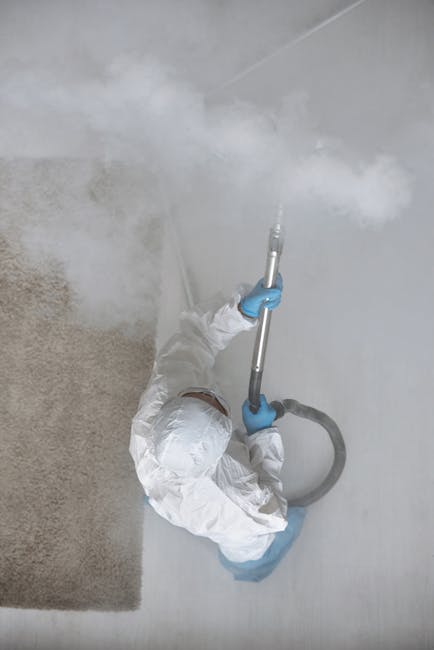
In practice, the process often follows a few broad stages. First comes inspection. Then gentle testing in a small, hidden area if needed. After that, the cleaner selects the most appropriate treatment: spot solution, controlled agitation, extraction, low-moisture cleaning, or steam-assisted cleaning where suitable. After treatment, the area is rinsed or neutralised, then dried as efficiently as possible.
Different stains need different chemistry. A tannin stain from tea behaves differently from a protein stain such as milk or food residue. Greasy marks from chips or cosmetics often need a different treatment again. Mud can usually be lifted without spreading if it is allowed to dry first. Ink is one of those annoying ones that can either budge a little or become a permanent memory of a bad day. It varies.
For carpets, professional cleaning often goes hand in hand with deeper fibre treatment. That is where carpet cleaning and steam carpet cleaning can support stain removal by lifting residue from deeper in the pile. For pets, smell and stain issues often need a more targeted approach, which is why pet stain odour removal is a relevant specialist service rather than a vague add-on.
The exact workflow should always reflect the material. A wool rug, for example, needs more caution than a synthetic hallway runner. A velvet sofa is a different world from a plain woven office chair. The cleaner's job is not to force a one-size-fits-all method. It is to protect the surface while removing as much of the stain as safely possible. Simple in theory, fiddly in practice.
Key benefits and practical advantages
There are a few real benefits to arranging stain removal cleaning near London Designer Outlet rather than hoping a household product will do the job. Some are obvious. Some become obvious only after you have tried to fix a stain yourself and realised you have now got a larger pale patch, which is... less ideal.
- Better stain lifting: Targeted methods are more likely to remove the stain rather than just disguise it.
- Reduced fibre damage: The right treatment avoids harsh rubbing, over-wetting, and colour bleed.
- Odour control: Many stains leave smells behind, especially food, drink, and pet-related spills.
- Improved appearance: Clean surfaces make rooms look brighter and better maintained.
- Longer life for furnishings: A properly treated carpet or sofa usually lasts longer than one repeatedly scrubbed at home.
- Better for commercial spaces: Shops, waiting areas, landlords, and offices benefit from a more consistent finish.
There is also a practical time-saving angle. People often spend ages trying various products, only to make the stain set in more firmly. Professional treatment can be faster overall, especially when you factor in drying and repeat attempts. Near a busy area like Wembley, that matters because many households and businesses simply do not want disruption lasting all day.
Another less talked-about benefit is confidence. Once you know a surface has been assessed properly, you stop staring at the stain every time you walk past. That sounds minor, but it is surprisingly freeing.
Who this is for and when it makes sense
Stain removal cleaning is for anyone with a visible mark that will not shift with a light, safe clean. That includes homeowners, tenants, landlords, letting agents, office managers, shop owners, and hospitality operators. It also includes people dealing with high-value items they would rather not risk experimenting on. Fair enough.
It makes particular sense when:
- a stain is older than a few hours and has started to dry in
- a spill has soaked into a carpet, rug, sofa, or mattress
- the material is delicate, woven, dyed, or natural fibre
- there is a smell as well as a visible stain
- you have already tried home cleaning and the mark is still there
- the item is in a customer-facing or rented property
For soft furnishings, stain treatment is often best combined with broader fabric care. That can mean sofa cleaning for upholstered seating, rug cleaning for decorative or natural-fibre rugs, or curtain cleaning if marks have travelled up from splashes, condensation, or everyday handling.
There are times when a stain is more of an emergency than a maintenance issue. Fresh red wine on a cream carpet on a Friday night? Yes, that needs prompt action. A set-in grease mark on an office carpet near reception? That needs a professional eye rather than more elbow grease. Who wants to guess with a GBP700 sofa? Exactly.
Step-by-step guidance
If you want the best chance of success, the key is to move calmly and in the right order. Panic is usually what turns a small spill into a bigger one. The following steps are a sensible starting point before any deeper cleaning begins.
- Act quickly but do not rub. Blot the spill with clean absorbent cloths or paper. Press gently. Do not grind the stain into the fibres.
- Identify the material. Carpet, wool rug, synthetic upholstery, mattress fabric, and curtain material all behave differently.
- Check for colour fastness. If you are using any liquid at all, test a hidden area first. Even a mild cleaner can cause trouble on some dyes.
- Remove loose debris. For mud, crumbs, or dried food, lift the solid residue before applying moisture.
- Choose the mildest safe method. Begin with the least aggressive option. Escalate only if needed.
- Work from the outside in. This helps stop the stain spreading into a larger halo.
- Rinse or neutralise properly. Leftover cleaning solution can attract dirt later and make the area look dull.
- Dry thoroughly. Use airflow where possible. Damp fibres can smell stale and may re-mark.
For deeper fabric and carpet issues, many people choose a specialist service rather than continuing at home. A company with clear process information, sensible pricing, and solid trust signals is easier to judge. The pages for pricing and quotes, insurance and safety, and health and safety policy are the kind of details that help you decide whether a provider is organised and professional.
One small but useful practical point: if the item is movable, remove it from the room when safe to do so. A dining chair in bright daylight is much easier to inspect properly than one tucked in a corner under warm lighting. You notice more. That helps.
Expert tips for better results
Here is where a few real-world habits make a surprisingly big difference. Most stain problems are not caused by the stain alone. They are caused by the wrong response in the first minute or two.
- Use less liquid than you think. Over-wetting is one of the fastest ways to push the stain deeper.
- Blot with clean sections of cloth. A dirty cloth just re-deposits residue.
- Avoid hard scrubbing. Scrubbing distorts pile, roughens fibres, and can spread the stain edge.
- Match the method to the stain. Grease, tannin, dye, protein, and rust all need different handling.
- Be careful with wool. Wool can felt or distort if treated roughly or heated too aggressively.
- Do not assume fragrance means clean. Some products mask odour without removing the source.
There is also a judgment call around timing. Fresh stains are usually easier to treat, but some dried stains respond better once loosened carefully rather than flooded immediately. That sounds a bit contradictory, and in truth it can be. The safest approach is to assess first, then act. Not every stain wants the same treatment at the same speed.
If you are dealing with a fabric that is expensive, sentimental, or awkwardly textured, treat it like a delicate item, because it probably is. A small patch test may save you from a very visible mistake later. One of the oldest rules in the trade is still one of the best: if in doubt, be gentle.
Common mistakes to avoid
The biggest stain-removal mistakes are usually made in good faith. People want the mark gone quickly. Understandable. But speed without caution can do more harm than the stain itself.
- Rubbing aggressively: This drives stain particles deeper and can damage fibre texture.
- Using hot water too soon: Heat can set certain stains, especially protein-based ones.
- Mixing products: Different cleaners can react badly together, or leave residues.
- Ignoring the fabric label or care instructions: Some items have very specific limitations.
- Using too much detergent: Residue attracts dirt, making the spot reappear later.
- Waiting too long: Fresh spills are much easier to manage than set-in marks.
Another common error is trying to make one home trick solve everything. Vinegar, bicarbonate, laundry liquid, and random sprays all have their place, but not on every material and not in every quantity. Sometimes the sensible decision is to stop early and get the stain assessed properly. That is not failure. It is just sensible property care.
For furnishings and carpets that need more than a spot clean, a broader treatment may be more appropriate. That could mean carpet cleaning or upholstery cleaning rather than repeated spot treatment alone. If the stain keeps coming back, there is usually a reason underneath the surface.
Tools, resources and recommendations
You do not need a room full of specialist gear to manage a small spill. But a few well-chosen tools make life easier and safer. The aim is controlled cleaning, not improvisation with whatever is under the sink.
| Tool or item | Best use | Why it helps |
|---|---|---|
| Microfibre cloths | Blotting fresh spills | Absorbent, gentle, and reusable |
| White paper towels | Initial spill control | Useful for seeing transfer and avoiding dye bleed |
| Soft brush | Loosening dry soil | Helps lift particles without harsh abrasion |
| Handheld extractor | Targeted spot treatment | Can remove moisture and loosened residue |
| Protective gloves | Cleaning chemical handling | Reduces skin contact and improves safety |
For many people, the smartest resource is simply a clear service page with straightforward information. That is why stain removal treatment and pricing and quotes are worth checking when you want to compare options without guesswork. If you are arranging multiple rooms or dealing with a larger property, you might also look at commercial carpet cleaning for business settings or higher-footfall premises.
If sustainability matters to you, it is reasonable to ask how waste water, packaging, and cleaning practices are handled. The page on recycling and sustainability gives a good signal that the company is thinking beyond the immediate clean. Not every customer asks this, but many should.
Small note, and it matters: the best tool is often patience. Not glamorous, I know. But there it is.
Law, compliance, standards, or best practice
For stain removal work in UK homes and commercial spaces, there are a few broad expectations that help set a professional standard even when no single law is being directly discussed in everyday conversation. Providers should use cleaning methods that are reasonably safe for the fabric, take care not to cause avoidable damage, and handle products and equipment in line with normal workplace safety practice.
In customer-facing work, it is sensible for cleaners to have clear policies on safety, insurance, privacy, payment handling, and complaints. Those are not just admin pages. They are trust signals. If a business is willing to explain its approach to insurance and safety, payment and security, and complaints procedure, that tells you something about how it operates.
For commercial customers, there is usually a stronger expectation of consistency, record-keeping, and minimal disruption. If cleaning takes place in premises with staff, visitors, or tenants, the work should be planned so it does not create slip risks or unnecessary downtime. That is just good practice, and in many settings it is the only sensible way to work.
Accessibility also matters. Clear communication, easy booking information, and readable service descriptions help more people make informed choices. A good provider should not hide basic details. The page on accessibility is a useful signpost in that respect.
Options, methods, or comparison table
Not every stain needs the same solution. Sometimes a quick spot treatment is enough. Sometimes the better answer is a deeper clean. The right choice depends on the stain, the material, and how much risk you are willing to take. Truth be told, that judgment is where experience really pays off.
| Method | Best for | Strengths | Limitations |
|---|---|---|---|
| Home spot cleaning | Fresh, small spills on robust surfaces | Fast, cheap, convenient | Easy to overdo, limited on stubborn stains |
| Targeted stain treatment | Visible marks on carpets, rugs, and upholstery | More controlled, more effective than guesswork | Requires correct product choice and technique |
| Steam-assisted carpet cleaning | Embedded soil and residue in carpets | Deep fibre cleaning, good for general refresh | Not suitable for every material or stain type |
| Specialist fabric cleaning | Delicate upholstery, curtains, mattresses, and rugs | Lower risk to sensitive materials | Needs proper inspection and sometimes longer drying |
For many households, the right path is a mix of careful immediate action and later professional treatment. For businesses, the decision may lean toward a more formal clean because presentation, odour control, and turnaround time all matter. If the stain involves a sofa or armchair, sofa cleaning may be more appropriate than a simple spot fix. If it affects a mattress, mattress cleaning is the safer reference point.
Case study or real-world example
Here is a realistic example, not a dramatic one. A family living near Wembley had a pale carpet in a hallway that had picked up a mix of mud, drink marks, and one old dark stain near the door. Nothing catastrophic. Just the sort of thing that slowly makes a room look more worn than it really is.
They first tried a supermarket spray on the darkest mark. It lifted a little, but left a cleaner circle around the stain, which made the problem more noticeable. Classic. Then they stopped, dried the area carefully, and arranged a proper stain assessment. The cleaner identified the old mark as likely a tannin-and-soil combination with embedded residue. Rather than attacking it with one strong product, the cleaner worked in stages: gentle pre-treatment, controlled agitation, extraction, and a careful rinse. The result was not magic, but it was a very solid improvement, and the carpet looked balanced again rather than patchy.
The useful lesson? The first attempt does not need to be the most powerful one. It needs to be the safest one. A controlled approach often gives the best visual outcome, even if it takes a little longer. And yes, that can be frustrating in the moment. Still worth it.
If you are looking at a bigger refresh after a few stubborn marks, the combination of carpet cleaning, rug cleaning, or curtain cleaning may make more sense than dealing with each stain one by one.
Practical checklist
Use this quick checklist before you decide how to handle a stain. It keeps things simple, and simple is underrated.
- Identify what caused the stain.
- Check whether the item is carpet, rug, upholstery, curtain, or mattress fabric.
- Blot the spill gently without rubbing.
- Test any cleaner in a hidden area first.
- Use the mildest suitable method.
- Avoid over-wetting the fabric or pile.
- Work from the outside of the stain toward the centre only when appropriate.
- Rinse or neutralise residue if needed.
- Dry the area fully.
- Escalate to a specialist if the stain remains or the fabric is delicate.
If you are unsure at any stage, pause. A short pause can save an item. That is not overcautious; it is just practical.
Get a free quote today and see how much you can save.
Conclusion
Stains happen. In a busy part of London near the Designer Outlet, they happen more than most people would like. But they do not have to become permanent fixtures. With the right timing, the right method, and a bit of restraint, most stains can be improved significantly, and many can be removed altogether.
The real key is matching the response to the surface. A robust carpet can take different treatment from a delicate sofa or curtain. A fresh coffee spill is not the same as a set-in grease mark. Once you understand that, stain removal becomes less of a panic job and more of a sensible maintenance task.
If you want support from a provider that can handle carpets, upholstery, rugs, and more with a clear, professional approach, explore the relevant service information and make an informed choice. Clean spaces feel better to live in and better to work in. Simple as that.
And honestly, there is a quiet relief in seeing a stubborn mark finally disappear. One less thing to think about.
Frequently Asked Questions
What is stain removal cleaning near London Designer Outlet?
It is a local cleaning service focused on treating visible marks on carpets, rugs, upholstery, curtains, and similar surfaces in and around the Wembley area. The aim is to remove or reduce stains safely without damaging the material.
How quickly should I treat a fresh stain?
As soon as you reasonably can. Fresh stains are usually easier to lift before they dry or sink deeper into the fibres. Even so, avoid panic cleaning. Blot first, then decide on the safest next step.
Can all stains be removed completely?
Not always. Some stains are permanent, especially if they have set, reacted with heat, or altered the dye in the material. A good cleaner will usually tell you honestly whether full removal is realistic.
Is stain removal safe for wool carpets and rugs?
It can be, but wool needs careful handling. The wrong temperature, product, or amount of moisture can cause distortion or colour loss. That is why wool is often best treated with a gentle, tested method.
What is the difference between stain removal and carpet cleaning?
Stain removal targets a specific mark or marks. Carpet cleaning is broader and aims to refresh the whole carpet, remove soil, and improve the overall look. In many cases, the two work well together.
Will steam cleaning remove every stain?
No. Steam-assisted cleaning can be very effective on many carpets, but not every stain responds the same way. Some marks need pre-treatment, some need a different chemical approach, and some materials are not suitable for high moisture.
Can you remove pet stains and smells at the same time?
Often, yes, but only if the source is properly treated. If odour has soaked beyond the surface, a stain-only clean may not be enough. That is why dedicated pet treatment is usually the better route.
How much does stain removal cleaning cost?
It depends on the material, the stain type, the size of the area, and how much treatment is needed. The safest way to get a realistic figure is to request a quote based on the actual job rather than guessing from a generic price list.
Is it better to clean stains myself or book a professional?
For small, fresh stains on robust surfaces, a careful DIY response may be enough. For delicate fabrics, older stains, bad smells, or important items, professional help is usually the safer option. That is especially true if you have already tried once and it did not work.
Can stain removal help with rental move-outs?
Yes, very often. A lot of tenants and landlords use stain removal to improve carpets, sofas, or rugs before inspections, end-of-tenancy checks, or new occupants moving in. It can make a meaningful difference to presentation.
What should I do before a cleaner arrives?
Remove loose items from the area, point out the affected spots, and mention anything you already tried. If the stain came from food, pets, ink, or something oily, say so. That saves time and helps the cleaner choose the right treatment.
How do I know if a provider is trustworthy?
Look for clear service information, sensible pricing detail, safety and insurance pages, and a proper complaints process. Those are small things, but they matter. A professional business should make it easy for you to understand how it works.