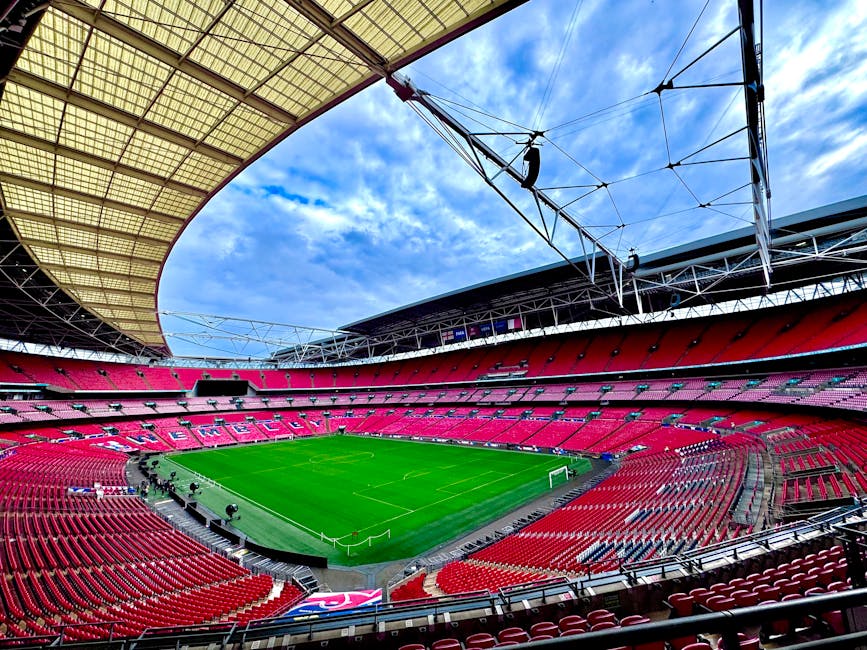
Wembley Park upholstery cleaning for Wembley Arena venues: a practical guide for busy event spaces
If you manage a venue near Wembley Arena, you already know the pattern: heavy footfall, quick turnarounds, spills that appear out of nowhere, and seating that has to look presentable even when the day has barely started. Wembley Park upholstery cleaning for Wembley Arena venues is not just about appearances. It is about keeping chairs, sofas, banquettes, and soft furnishings in a condition that feels clean, professional, and ready for the next crowd.
Truth be told, upholstery in event spaces takes a beating. Drinks splash, fabric traps odours, and dust settles into seams more quickly than people expect. A sensible cleaning plan keeps the venue welcoming, helps protect fabric life, and reduces that tired, slightly stale look that can creep in over time. This guide walks through what the service involves, why it matters in a high-traffic Wembley setting, how the process works, and what to look for when choosing a commercial cleaning provider.
Why Wembley Park upholstery cleaning for Wembley Arena venues matters
In a venue environment, upholstery is more than decor. It is part of the customer experience. Guests notice the chair before they notice the lighting rig. They notice a mark on a banquette, a faint smell on fabric, or a patch of dullness on a sofa in a hospitality area. You may not hear a complaint straight away, but people do register it.
Wembley Arena venues often deal with varied use: concerts one night, corporate hospitality the next, and private functions after that. That means fabrics face different types of dirt and wear. Spilled drinks, makeup transfer, muddy clothing, snack crumbs, and general dust all build up. Add in the stop-start pace of event operations and it becomes easy for small problems to turn into visible damage.
There is also a maintenance angle. Regular upholstery care helps reduce embedded grime that can shorten the life of fabric and cushioning. It may even help prevent that "permanently used" look that is hard to reverse once it settles in. To be fair, once a venue starts looking shabby, everything feels a bit harder to sell. The room can still function perfectly, yet the impression shifts.
For venue teams, the practical point is simple: cleaning is part of asset care. The same way you would not ignore worn carpet or stained curtains, upholstery deserves a structured plan. If you are already reviewing wider soft-furnishing maintenance, it may help to look at related services such as professional upholstery cleaning, sofa cleaning, or commercial carpet cleaning as part of a wider venue refresh.
Expert summary: In a busy Wembley venue, upholstery cleaning is not a cosmetic extra. It supports presentation, comfort, fabric longevity, and the overall standard guests expect when they walk in the door.
How Wembley Park upholstery cleaning for Wembley Arena venues works
The process should be methodical, not rushed. Good commercial upholstery cleaning starts with a fabric check, because not every material tolerates the same treatment. A velvet banquet chair, a faux leather lounge seat, and a heavily used fabric sofa in a breakout area all need different handling. That matters more than people think. Use the wrong method and you can flatten fibres, spread stains, or leave moisture behind.
Typically, a professional cleaner will begin with inspection and identification. They look for fabric type, existing staining, colour fastness risks, previous cleaning history, and any problem areas such as armrests, headrests, food spill zones, or odour hotspots. If there are fragile trims, decorative buttons, or older fillings, the cleaning plan needs to be adjusted.
From there, the work usually follows a few practical stages:
- Dry soil removal: Loose dust and debris are removed first, usually with careful vacuuming and edge work around seams.
- Spot treatment: Visible marks are pre-treated with suitable stain removal methods based on the stain type and fabric response.
- Main clean: Depending on the material, hot water extraction, low-moisture methods, or specialist fabric-safe cleaning solutions may be used.
- Rinse or residue control: Leftover cleaning solution is reduced so the fabric does not feel sticky or attract dirt too quickly afterwards.
- Drying and finishing: Airflow is encouraged and the fabric is groomed where needed so it dries evenly and looks presentable.
For some venue furniture, steam-based treatment may be suitable, but not for every piece. That is why a blanket approach rarely works well. A careful operator will treat the room in sections, keep walkways clear where possible, and plan around event timings so the venue can keep functioning.
If odours are part of the issue, especially in enclosed hospitality areas or seating that has absorbed food and drink smells, a service such as odour and stain treatment may be useful in the right context, even if the cause is not pet-related. The principle is the same: deal with the source, not just the surface.
Key benefits and practical advantages
Clean upholstery does a lot of quiet work in a venue. Guests may not say, "Ah, this chair was professionally cleaned," but they will notice comfort, freshness, and visual order. That's the whole point, really.
- Better first impressions: Fresh seating helps the entire space feel cared for and event-ready.
- Improved hygiene: Upholstery can hold dust, oils, crumbs, and spill residues that regular surface wiping will not remove.
- Longer fabric life: Routine maintenance can slow down wear caused by embedded grit and old marks.
- Reduced odours: Cleaning helps remove the build-up that creates stale or sour smells in busy interiors.
- Better support for venue operations: Clean furniture is easier to present between bookings, especially during tight changeovers.
- Stronger brand consistency: Event venues rely on atmosphere. Untidy soft furnishings can quietly undermine that.
There is also a commercial angle. If a venue hosts premium events, hospitality packages, or business functions, soft furnishings are part of the perceived value. A clean, well-kept lounge area feels more expensive, even if nobody says it out loud. People just settle in more easily.
And let's be honest: once a stain becomes "the usual stain in seat three", it stops being invisible. Guests see it. Staff see it. Nobody wants to be the one explaining it during a busy arrival window.
Who this is for and when it makes sense
This service is most relevant for venue managers, facilities teams, hospitality operators, event coordinators, and cleaning supervisors responsible for soft furnishings in or around Wembley Arena. It also makes sense for any organisation that uses upholstered seating as part of its customer-facing space.
You may need it if your venue has:
- auditorium seating or lounge seating that sees daily use
- VIP or hospitality areas with fabric sofas and armchairs
- banquette seating in bars, cafes, or private suites
- soft furnishings in reception, waiting, or breakout spaces
- frequent food and drink service near fabric surfaces
It also makes sense after specific incidents. A single spill during an event may look small on the night, but if it is left untreated, it can set or leave a smell behind. The same goes for repeated touch points on armrests or headrests. Those areas often look older first, because they are handled more often and pick up body oils, dust, and friction marks.
For some sites, upholstery cleaning is bundled naturally with broader maintenance. If your venue also has carpets, rugs, curtains, or mixed seating, it can be worth reviewing carpet cleaning, curtain cleaning, or rug cleaning so the whole space is tackled together. That often gives a more coherent finish. Cleaner room, clearer air, less of that patchwork "we cleaned this bit but not that bit" feeling.
Step-by-step guidance
If you are planning upholstery cleaning for a venue near Wembley Arena, a structured approach will save time and reduce surprises. The sequence below is a sensible one for most commercial settings.
- Walk the site first. Identify which items are most heavily used, which fabrics are sensitive, and which areas are priority zones. Reception seating may need different treatment from back-of-house chairs.
- Note the stain types. Food, drink, ink, grease, and general dirt all respond differently. A rushed guess can make a stain harder to remove.
- Check access and timing. Event venues rarely have endless downtime. Cleaning should fit around rehearsals, load-ins, sound checks, and guest access.
- Protect surrounding surfaces. Nearby floors, electrics, and delicate finishes should be accounted for before work begins.
- Clean methodically. Work from cleaner areas toward dirtier ones, and do not over-wet the fabric.
- Inspect after treatment. Review finish, drying, and any areas that may need a second pass or a different stain approach.
- Plan follow-up care. Set a maintenance interval so the venue does not drift back into neglect.
A small but important point: ask how long drying will take before you commit to a schedule. Nobody enjoys discovering that the room is technically "clean" but still damp an hour before doors open. That kind of timing issue can derail an otherwise good plan.
For venues with persistent isolated marks, a targeted stain removal treatment can be layered into the process rather than relying only on a general clean. That is often the smarter move.
Expert tips for better results
Some of the best outcomes come from small decisions made before the cleaner arrives. Nothing dramatic. Just sensible preparation.
- Book before the problem becomes obvious. A light refresh is cheaper and easier than rescuing badly neglected fabric.
- Group similar materials together. Cleaning similar upholstery types in one block helps streamline the job and reduce delays.
- Be honest about past spills. If a seat has had repeated drink damage or a hidden odour issue, say so early.
- Test delicate fabrics first. This is basic, but it matters every time. Guessing is not a strategy.
- Use the right method for the room. A busy hospitality lounge may benefit from low-moisture methods if turnaround time is tight.
- Think about air movement. Good airflow helps drying. Simple, but very effective.
One thing we have noticed in real venue work: the corners and arm edges often tell the story before the central seat area does. People brush past those sections more than they realise. If those spots are treated well, the whole item tends to look newer, even when it has had a hard life.
Another tip. If the room is being cleaned ahead of a big event day, keep a little buffer in the schedule. Things go smoother when there is a bit of breathing space. Always.
Common mistakes to avoid
Most upholstery issues in venues do not come from one huge failure. They come from a string of small, avoidable errors.
- Using one method on everything: Different fabrics need different care. What works on one chair may harm another.
- Leaving spills too long: Fresh stains are far easier to manage than dried, heat-set, or repeatedly walked past marks.
- Over-wetting fabric: Too much moisture can leave rings, slow drying, and create lingering odours.
- Ignoring odour sources: If the smell remains, surface cleaning alone may not be enough.
- Cleaning too close to opening time: Tight turnaround windows can backfire if drying is not factored in.
- Skipping fabric checks: A simple inspection can prevent a costly mistake. It really can.
Another common issue is treating upholstery as a one-off emergency rather than part of planned maintenance. That tends to mean more stress, worse results, and a patchier appearance across the venue. A steady program is usually the calmer, better option.
Tools, resources and recommendations
You do not need to turn venue maintenance into a science project, but you do need the right kit and a sensible process. For commercial upholstery care, useful tools and resources typically include fabric-safe vacuuming equipment, spot treatment products, low-moisture or extraction systems, white absorbent cloths, protective pads, airflow support, and a clear room-by-room schedule.
Cleaning teams should also have a good system for identifying materials. That includes checking labels where available, understanding pile direction on brushed fabrics, and knowing when to stop and reassess rather than pushing ahead. Some fabrics are simply less forgiving. It happens.
If your venue work sits alongside broader maintenance, it can help to review supporting services such as steam carpet cleaning for flooring, or curtain cleaning for fabric-rich rooms, so the whole environment is handled consistently. A venue rarely feels fully refreshed if only one surface type gets attention.
For planning and budgeting, look at pricing and quotes early rather than waiting until the last minute. And if you want to understand how service standards, payment handling, and operational details are managed, it is sensible to review the provider's terms and conditions and payment and security information before booking. Nothing flashy there, but it keeps expectations clear.
Law, compliance, standards, or best practice
For venue operators in the UK, upholstery cleaning is mainly a matter of good practice, risk awareness, and operational responsibility. There is no single universal rule that tells every venue exactly how often to clean every item, because usage patterns vary so much. A concert lounge, a conference suite, and a staff breakout room will not age in the same way.
What does matter is taking a sensible, documented approach to cleaning, safety, and access. If cleaning work involves public areas, trip hazards, chemical handling, or wet fabrics, the venue should think carefully about timing, supervision, and communication. That may sound obvious, but on a busy event day obvious things are the first to get rushed.
Best practice usually includes:
- using suitable products for the fabric type
- checking for hidden damage before starting
- keeping walkways and exits clear
- allowing proper drying time
- following internal health and safety procedures
- keeping records of maintenance where useful
If you are comparing providers, review their health and safety policy and insurance and safety information. Those pages are worth reading because they give a better sense of how seriously a company treats venue work. For more background on the company itself, the about us page is often a useful starting point.
There is also a sustainability angle. In venues that clean often, waste reduction and sensible product use matter. A supplier's approach to recycling and sustainability can tell you a lot about whether they think beyond the immediate job. That may not be the first thing a guest notices, but it matters in the long run.
Options, methods, or comparison table
Different upholstery cleaning methods suit different venue situations. There is no single perfect approach, which is why a decent provider should explain the trade-offs plainly.
| Method | Best for | Pros | Watch-outs |
|---|---|---|---|
| Hot water extraction | Heavily soiled fabric seating with durable materials | Deep clean, strong soil removal, good for embedded grime | Needs drying time; not ideal for every delicate fabric |
| Low-moisture cleaning | Busy venues with short turnaround windows | Faster drying, less disruption, practical for event schedules | May be less aggressive on severe staining |
| Targeted spot treatment | Single stains or localised marks | Efficient, focused, often the right first move | Not a complete solution for widespread soiling |
| Steam-based cleaning | Some robust fabrics and sanitising-focused work | Can be effective for certain materials and grime types | Not suitable for all fabrics, and moisture control matters |
In practice, many venue jobs use a blended approach. A general clean, then individual attention for stubborn marks. That is usually more effective than trying to force every issue into one method.
For example, a VIP lounge might need sofa cleaning on one day, followed by more targeted fabric care on upholstered chairs after a later event. Not glamorous, maybe, but very effective.
Case study or real-world example
Imagine a Wembley hospitality suite after a weekend of back-to-back events. There are chairs with drink rings at the arms, a sofa with visible wear on the front edge, and a couple of seats that have picked up a noticeable food smell near the fabric seams. Nothing catastrophic. Just enough to make the room feel a bit tired.
The sensible response is not to attack everything with the same product and hope for the best. First, the space is assessed for fabric type and problem areas. Then the cleaning plan is broken into zones: high-contact seating, visible stain areas, and any odour-prone sections. The cleaner uses a method that suits the material and allows drying within the venue's operational window.
By the end, the suite does not just look better. It feels easier to use. Staff are not trying to hide stained chairs during setup. Guests are not being steered away from one particular corner. The room regains that calm, ordered feeling that event spaces need. Small difference? Maybe. But in a venue, small differences are what people notice.
That kind of work is often supported by broader interior maintenance, so pairing upholstery care with carpet or stain treatment can make the result more complete. If you need related services, it can help to explore stain removal and carpet cleaning alongside upholstery work, especially in shared event zones.
Practical checklist
Use this before booking or scheduling cleaning for a Wembley Arena venue. It keeps the job focused and avoids the usual last-minute scramble.
- Identify all upholstered items that need attention
- Separate delicate fabrics from robust commercial seating
- Note visible stains, odours, and high-contact areas
- Confirm the venue window for cleaning and drying
- Check whether nearby carpets or curtains should be included
- Ask about the planned cleaning method for each fabric type
- Confirm access, parking, and entry instructions
- Review health and safety, insurance, and payment terms
- Prepare signage or barriers if areas must stay out of use
- Schedule a follow-up inspection after the clean
One line to remember: if the room has to look good under bright event lighting, it needs more than a quick once-over. Those lights are unforgiving. Very unforgiving.
Conclusion
Wembley Park upholstery cleaning for Wembley Arena venues is about more than surface neatness. It supports guest confidence, protects fabrics, helps manage odours, and keeps your space ready for the pace of real venue life. Whether you manage hospitality seating, lounge furniture, or a larger mix of soft furnishings, the best results come from a planned, fabric-aware, and operationally sensible approach.
When upholstery is looked after properly, everything else feels easier. The venue feels sharper. Staff feel less firefighting pressure. Guests settle in without a second thought, which is exactly what you want. If you are weighing up timing, methods, or broader interior maintenance, start with the items that carry the most traffic and the most visibility. That is usually where the biggest win sits.
Get a free quote today and see how much you can save.
Clean seating won't solve every venue challenge, but it does remove one more thing from the pile. And some days, that is a very good thing indeed.
Frequently Asked Questions
What does Wembley Park upholstery cleaning for Wembley Arena venues usually include?
It usually includes inspection, vacuuming, stain pre-treatment, fabric-appropriate cleaning, residue reduction, drying support, and a final check. The exact process depends on the item, the fabric, and how much use the seating has had.
How often should venue upholstery be cleaned?
That depends on usage. High-traffic hospitality seating may need cleaning more often than staff-area furniture. A busy venue near Wembley Arena is best judged by condition and event frequency, not by a fixed calendar alone.
Can all upholstery be steam cleaned?
No. Some fabrics can tolerate steam-based methods, but others cannot. Delicate materials, older furniture, and items with special finishes need a different approach. Fabric testing first is the sensible move.
How long does upholstery take to dry?
Drying time varies with fabric type, method used, room ventilation, and how much moisture was applied. Planning a buffer before the venue reopens is wise, because nobody enjoys damp seating before opening time.
Will cleaning remove every stain?
Not always. Some stains are permanent, heat-set, or chemically altered. A good cleaner should explain what is likely to improve, what may fade, and what might remain visible. Honest expectations are better than false promises.
Is upholstery cleaning safe for busy event venues?
Yes, when it is planned properly. The work should be scheduled around access, supervised where needed, and carried out with suitable products and methods. Health and safety planning matters in public-facing spaces.
What is the difference between upholstery cleaning and sofa cleaning?
Upholstery cleaning is the broader category. Sofa cleaning is one part of it, focused on sofas and couches. In a venue setting, both may apply because furniture types often vary across the building.
Should upholstery cleaning be done with carpet cleaning at the same time?
Often, yes. If the same area has both upholstered seating and carpets, cleaning them together can create a more consistent result and reduce repeated disruption. It can also make scheduling simpler.
How do I know if a cleaning company is suitable for Wembley venue work?
Look for clear fabric knowledge, a sensible safety approach, transparent pricing, and evidence that they understand commercial environments. Pages like health and safety policy and insurance and safety are useful indicators.
What should I prepare before the cleaners arrive?
Make a list of affected items, note any stains or odours, confirm access arrangements, and flag any timing constraints around events. If the venue is tight on schedule, the cleaner needs to know that upfront. It makes life easier for everyone.
Can upholstery cleaning help with lingering smells in a venue?
Yes, in many cases it can. Upholstered fabric can hold on to food, drink, and general occupancy odours. Cleaning can reduce that build-up, although severe smell issues may need targeted treatment as well.
Where can I get pricing or a quote for venue upholstery cleaning?
You can review the available pricing and quotes information and then arrange next steps through the site's contact options if needed. Clear pricing is always reassuring, and frankly, it should be.